









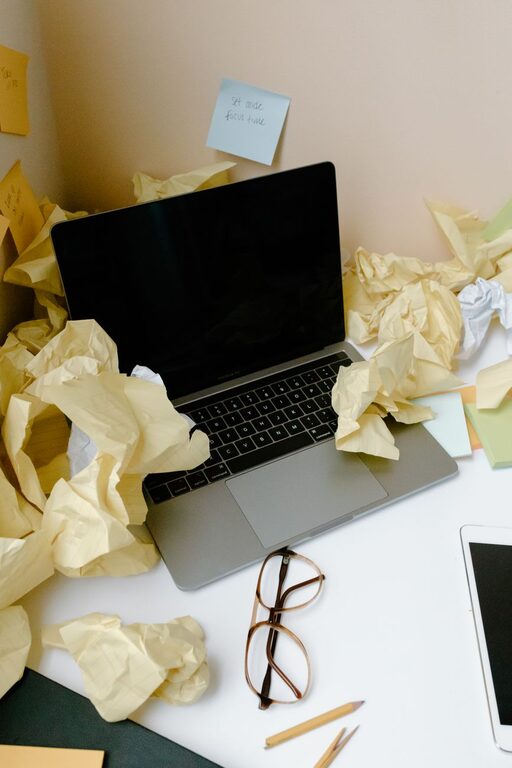
Paper clutter can quickly take over our homes, making it difficult to find important documents and creating unnecessary stress. Fortunately, reducing household paper clutter doesn’t have to be overwhelming. With a few simple habits and practical tools, you can keep your space tidy and well-organized. In this post, we’ll explore straightforward ways to manage and minimize paper clutter effectively.
Why Reduce Paper Clutter?
Before diving into tips, it’s helpful to understand why reducing paper clutter matters. Excess paper can:
– Make finding important documents a challenge
– Contribute to a feeling of chaos and disorganization
– Take up valuable space in your home
– Increase stress and detract from your productivity
By managing paper clutter, you create a cleaner environment that supports a calm and focused lifestyle.
Start with a Paper Decluttering Session
The first step in reducing paper clutter is sorting through what you currently have.
Steps to Declutter Paper:
- **Gather all your papers in one place:** Collect papers from drawers, counters, mail piles, and bags.
- **Sort into categories:** For example: bills, receipts, personal documents, magazines, junk mail.
- **Purge what you don’t need:** Shred sensitive papers and recycle outdated or irrelevant documents.
- **File what you need to keep:** Use labeled folders or a filing cabinet for important documents.
Set aside a few hours or split this task over a couple of days, depending on how much paper you have. The goal is to reduce piles and gain a clear overview.
Create a Paper Management System
Once you’ve decluttered, it’s important to have a system to manage incoming paper.
Tips for an Effective Paper System:
– Designate a spot for mail: Have a specific inbox or tray where all incoming mail goes.
– Sort daily or weekly: Set aside time to quickly sort the mail, discarding junk immediately.
– Use folders or binders: Separate categories for bills, warranties, medical paperwork, and school documents.
– Consider digital alternatives: Scan important papers and store them electronically.
Having a consistent routine prevents paper from piling up again.
Go Digital When Possible
Digitizing your documents is one of the easiest ways to reduce physical clutter.
How to Embrace a Paperless Lifestyle:
– Opt for e-billing and e-statements: Contact your service providers to receive bills electronically.
– Scan receipts and important documents: Use apps or scanners to create digital copies.
– Organize files on your computer or cloud: Maintain folders with clear labels and backup your files regularly.
– Use note-taking apps: Replace paper notes and lists with digital apps on your phone or tablet.
Switching to digital formats not only reduces clutter but also makes accessing documents easier from anywhere.
Use Smart Paper Storage Solutions
For papers that need to be kept in physical form, proper storage is key.
Storage Ideas:
– Filing cabinets or boxes: Use labeled folders inside filing cabinets or portable boxes.
– Accordion folders: Great for organizing papers by category or month.
– Desktop organizers: Keep daily-use papers accessible but contained.
– Binders with sheet protectors: Ideal for manuals, policies, or important reference documents.
Choose storage options that work with your space and lifestyle to encourage regular use.
Set Up a Mail Station
Organizing incoming mail right when it arrives can prevent clutter.
What to Include in a Mail Station:
– A mail tray or basket: To hold mail temporarily.
– Bins or folders for sorting: Bills, action items, items to file.
– A shredder: To dispose of junk mail immediately.
– Pens, stamps, and notepad: For quick notes or replies.
Place your mail station near where you usually sort mail to make the process smooth and timely.
Practice Regular Maintenance
Keeping paper clutter under control requires ongoing effort.
Helpful Maintenance Habits:
– Weekly mail check: Sort and file or recycle mail weekly.
– Monthly declutter: Review files to discard anything no longer needed.
– Annual review: Shred outdated documents and reorganize files.
– Stay mindful of new paper: Before accepting printed documents, consider if you truly need a hard copy.
By building these habits into your routine, paper clutter won’t get out of hand.
Additional Tips to Reduce Household Paper
– Unsubscribe from unnecessary mailing lists: Cut down on junk mail by unsubscribing.
– Limit printing: Print only when essential and double-sided if possible.
– Use reusable notebooks: For notes or lists that don’t need to be kept permanently.
Conclusion
Reducing paper clutter is all about taking control of your paper flow and making thoughtful choices. By decluttering, organizing, digitizing, and maintaining your system, you can create a more peaceful and efficient home environment. Start small, stay consistent, and enjoy the benefits of a clutter-free space.
—
Feel free to share your own paper organization tips or ask questions below!